Automatic air release valve
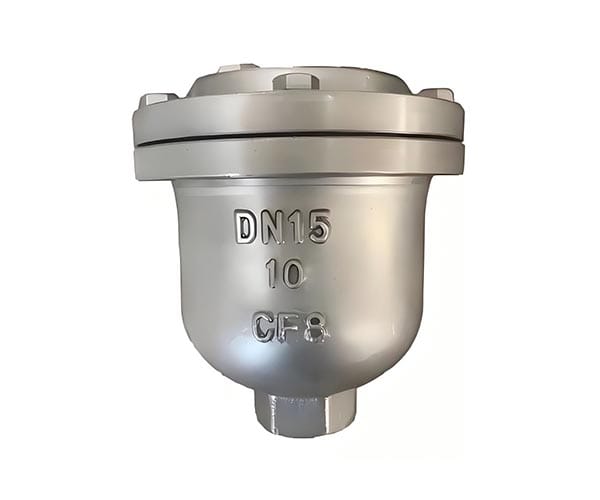
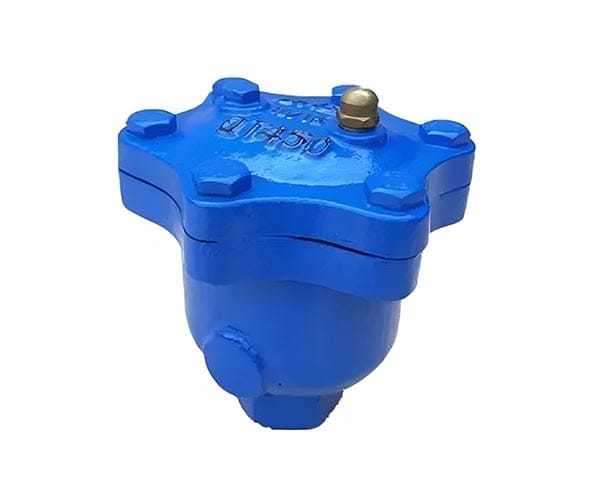
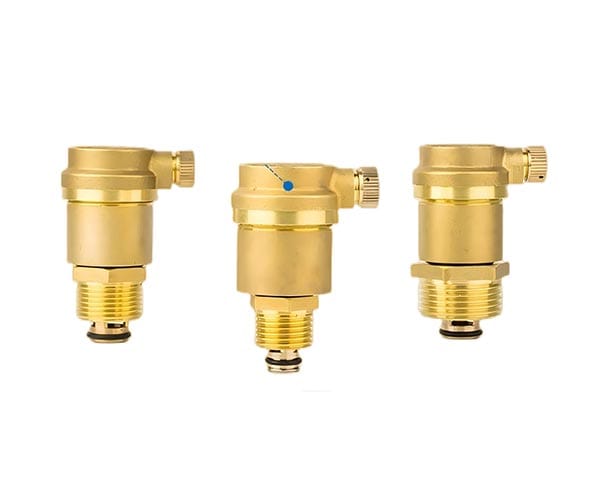
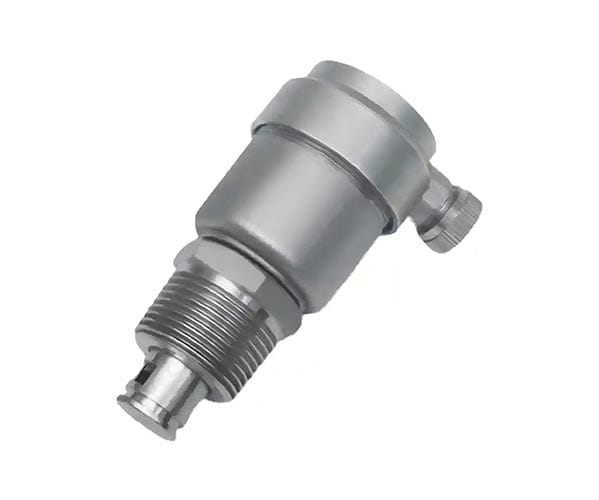
On top of HVAC piping, solar thermal systems, storage tanks, and industrial equipment, you can often spot a small brass or stainless steel valve. It requires no manual operation, yet quietly and automatically expels air from the system. This is a compact automatic air vent valve (also called an automatic air release valve). This article focuses on float-type automatic air vent valves ranging from DN15 to DN32, with bodies made of brass or stainless steel, providing a systematic explanation of their working principle, construction materials, installation methods, and application scenarios.
Category:Air valve
Call Us Anytime
15669818867
Compact Automatic Air Vent Valve: Brass and Stainless Steel, DN15–DN32 for HVAC and Equipment Venting
On top of HVAC piping, solar thermal systems, storage tanks, and industrial equipment, you can often spot a small brass or stainless steel valve. It requires no manual operation, yet quietly and automatically expels air from the system. This is a compact automatic air vent valve (also called an automatic air release valve). This article focuses on float-type automatic air vent valves ranging from DN15 to DN32, with bodies made of brass or stainless steel, providing a systematic explanation of their working principle, construction materials, installation methods, and application scenarios.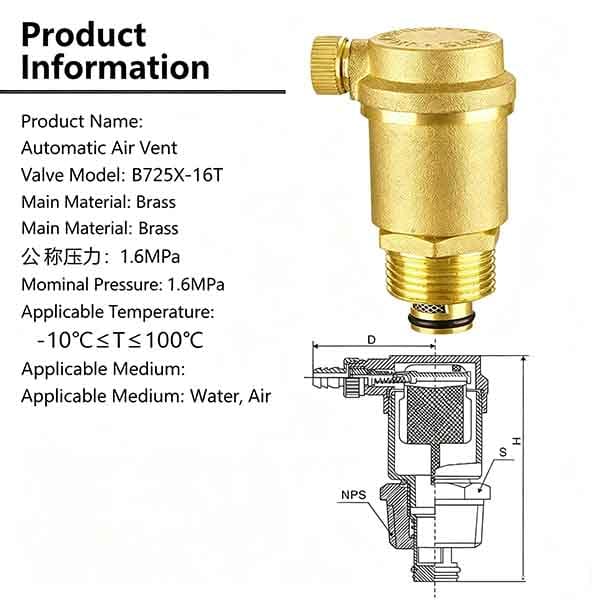
What Is a Compact Automatic Air Vent Valve?
A compact automatic air vent valve is a purely mechanical air release device that operates on the buoyancy principle—”closed when water is present, open when air is present.” It differs from manual air vents that require hand-operated unscrewing to release air, and it also differs from the large air/vacuum valves used on large pipelines for rapid filling and draining. Its core mission is: during pressurized system operation, to continuously and automatically release trace amounts of gas that come out of solution from the liquid, preventing air locks, and to close automatically and tightly once the air is expelled, preventing water leakage.
Working Principle: Automatic Float Action Inside a Miniature Valve Chamber
Despite the small size, the internal structure is precise and robust:
-
Body and Bonnet: Hot-forged or cast brass body housing the float and sealing mechanism.
-
Float (Float Ball): A hollow float ball typically made of PP or high-temperature-resistant plastic, with a density far lower than water.
-
Lever Mechanism: Connects the float to the sealing face on the underside of the bonnet; the float rising and falling opens and closes the vent orifice.
-
Vent Orifice: Located at the top of the bonnet, very small in diameter (typically only 1–3 mm), ensuring that under system pressure only gas is vented and no water is sprayed.
Operating Cycle:
-
When air from the system enters the valve chamber from a high point in the piping, the water level is pushed down by the gas. The float descends with the water level, actuating the lever to open the top vent orifice.
-
Air is discharged through the vent orifice as system pressure continuously forces gas toward the valve chamber.
-
Once the air is fully expelled, water refills the valve chamber. The float rises due to buoyancy, and the lever pushes the sealing gasket tightly against the orifice to close it.
-
The vent orifice is typically fitted with a dust cap/protective cover to prevent external dust ingress; it can also be manually unscrewed to perform a venting test.
Material Selection: Brass vs. Stainless Steel
| Feature | Brass | Stainless Steel |
|---|---|---|
| Material Grade | HPb57-3, CW617N | 304, 316 |
| Suitable Media | Water, glycol solutions, low-corrosivity liquids | Water, weak acids and alkalis, food-grade media, high-temperature fluids |
| Temperature Limit | ~120°C | ~180°C (verify seal rating for higher temperatures) |
| Corrosion Resistance | Good resistance to water corrosion; avoid ammonia and strong acid environments | Superior corrosion resistance, especially 316 in chloride-containing environments |
| Applications | HVAC heating, solar thermal, compressed air systems | Food, chemical, high-temperature hot water, steam systems (with metal seals) |
| Cost | Lower | Higher |
Selection Recommendation: For general building heating and domestic hot water systems, the economical brass type is preferred. For applications with high sanitary requirements, chlorine exposure, corrosive environments, or high-temperature steam systems, select the stainless steel type.
Common Installation Locations
Compact automatic air vent valves are typically installed at the highest point of the system or wherever air is most likely to collect:
-
Radiator/towel warmer ends: Replace manual air vents with automatic air vents to eliminate repeated manual bleeding.
-
Top of manifolds and headers: Critical air removal points in HVAC systems.
-
Top of boilers/storage tanks: Expel dissolved gases released during heating.
-
Highest point of solar collectors: Prevent air locks that can cause circulation stagnation.
-
Top of compressed air receiver tanks: Automatically discharge condensate and oil mist entrained in the air.
-
High points of industrial equipment cooling circuits: Ensure smooth coolant circulation.
Installation Considerations
-
Install vertically, vent port facing upward: The float must move in alignment with gravity. Angled installation will cause the float to bind.
-
Use sealing materials on connections: Use PTFE tape or thread sealant on threaded connections to prevent leakage. Be careful not to wrap sealing tape into the interior of the valve body.
-
Install an isolation valve: Install a small shut-off valve (such as a mini ball valve) upstream of the air vent valve to allow servicing or replacement without draining the entire system.
-
Drain port management: The venting process may be accompanied by very small amounts of water spray. The dust cap can be screwed on to allow drips to run down the valve body, or a drain tube can be connected.
-
Freeze protection: If installed outdoors or in locations subject to freezing, select a model with thermal insulation or freeze-resistant design to prevent the valve body from cracking at low temperatures.
Selection Checklist
-
Confirm the required diameter (DN15/20/25/32) and thread standard (BSP or NPT)
-
Verify that the media temperature and pressure fall within the valve’s rated range
-
If the media contains oil or chemicals, select an appropriate sealing material (e.g., FKM)
-
Determine whether a manual vent test knob or dust cap is required
-
Ensure sufficient installation space (valve body height typically ranges between 60–120 mm)
Common Issues and Troubleshooting
| Symptom | Possible Cause | Corrective Action |
|---|---|---|
| Continuous water seepage/dripping from vent port | Worn sealing face, foreign particle lodged, damaged float | Close the upstream isolation valve, disassemble, clean, or replace the sealing gasket/float |
| Air lock persists but valve does not vent | Vent orifice blocked (scale, debris), float stuck | Disassemble, inspect, and clean; install a strainer upstream |
| Excessive water spray during venting | High system pressure fluctuation, or selected orifice size too large | Install a damping ring, or re-check whether the model selection is appropriate |
Summary:
The compact automatic air vent valve is one of the most inconspicuous yet critically important protective components in HVAC, hot water, solar thermal, and industrial equipment systems. Using a purely mechanical buoyancy principle, it continuously guards the system against air locks. Correctly selecting between brass and stainless steel, matching the appropriate installation position, and following standard practices will ensure smooth system circulation, improved efficiency, and freedom from the hassle of repeated manual bleeding.

 English
  German
  Chinese
  Russian
  French
  Korean
  Spanish