What Is Another Name for a Ball Valve?
Article 2026-04-20
What Is Another Name for a Ball Valve? Industry Terms, Slang, and Alternative Names Explained
In piping specifications, procurement documents, or maintenance manuals, you may encounter various terms referring to a “ball valve.” Understanding these alternative names is essential for clear cross-departmental communication and avoiding specification errors. This article provides a systematic overview of professional alternative names, industry slang, and function-specific designations for ball valves across different contexts.
The Direct Answer: Common Alternative Names for a Ball Valve
If you need the shortest possible answer to “What is another name for a ball valve,” the following three are the most universally recognized and widely accepted alternatives:
-
Quarter-Turn Valve – A functional descriptor. Because a ball valve operates with a 90-degree rotation to open or close, this name highlights its fundamental distinction from multi-turn valves such as gate or globe valves.
-
Shut-off Valve – An application-based name. Since ball valves are primarily used for on-off isolation rather than precise throttling, engineers frequently refer to them simply as “shut-off valves” when emphasizing their isolation function.
-
Ball Cock – A historical/colloquial term. In earlier British English and specific plumbing contexts, small ball valves were often called “ball cocks” (though in modern industrial usage, this term more specifically denotes a float-operated valve).
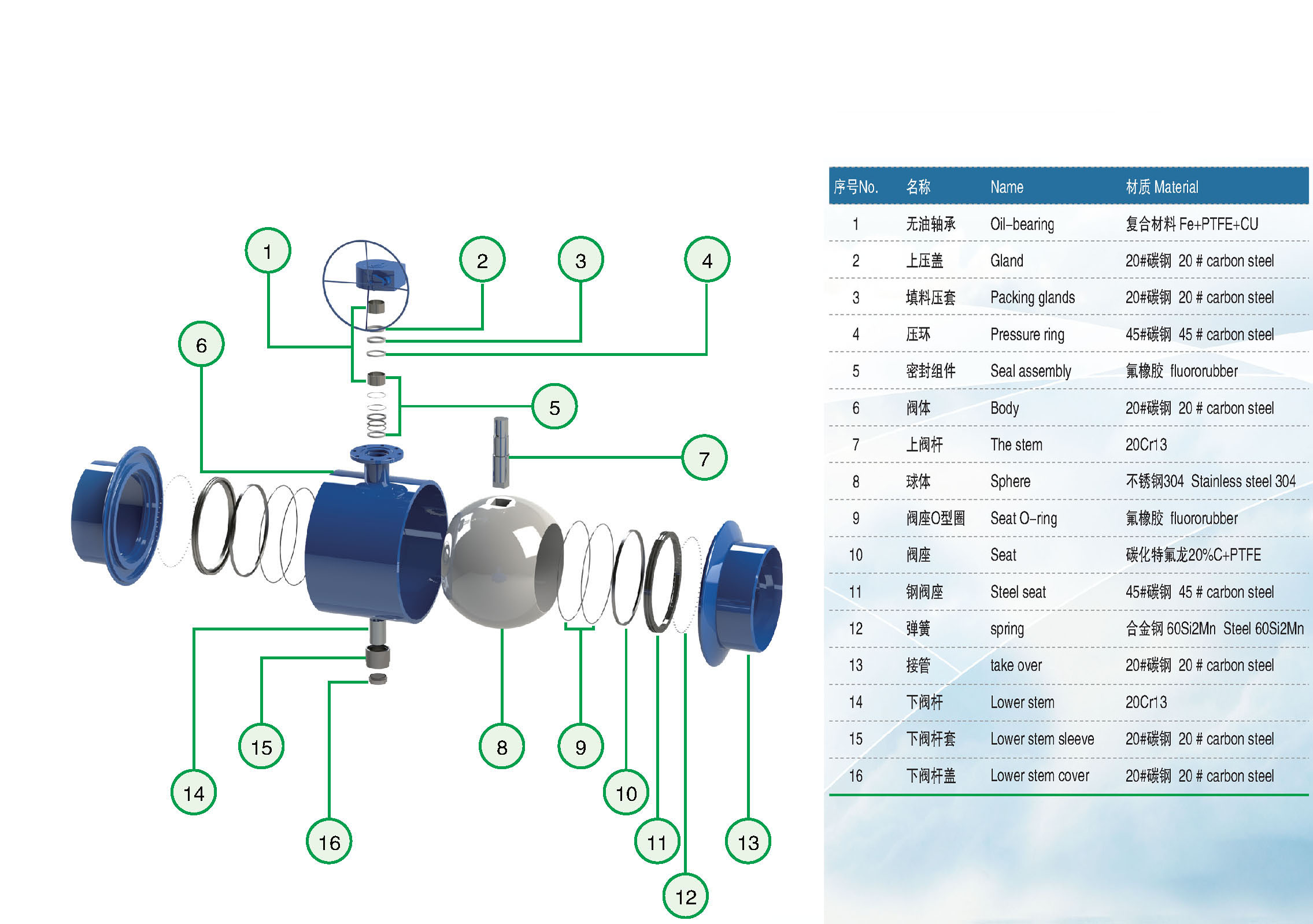
In-Depth Analysis: Context-Specific Alternative Names
Alternative names for ball valves are not arbitrary; they derive from structural features, actuation methods, or industry application habits.
1. Function-Based Synonym: Quarter-Turn Valve
-
Context: Engineering specifications, general valve classification.
-
Background: API and ASME standards classify valves as either multi-turn or part-turn (quarter-turn). Quarter-turn is a shared attribute of ball valves, butterfly valves, and plug valves. When someone specifies “a stainless steel quarter-turn valve for this location,” they are almost certainly referring to either a ball valve or a butterfly valve.
2. Seal-Performance Based Name: Bubble-Tight Valve
-
Context: Quality test reports, gas service applications.
-
Meaning: The unique floating or trunnion-mounted ball design enables ball valves to achieve excellent shutoff performance under both low and high pressure, with zero bubble passage during seat leakage tests. When specifying valves for gas pipelines, engineers may explicitly request “bubble-tight shut-off valves.”
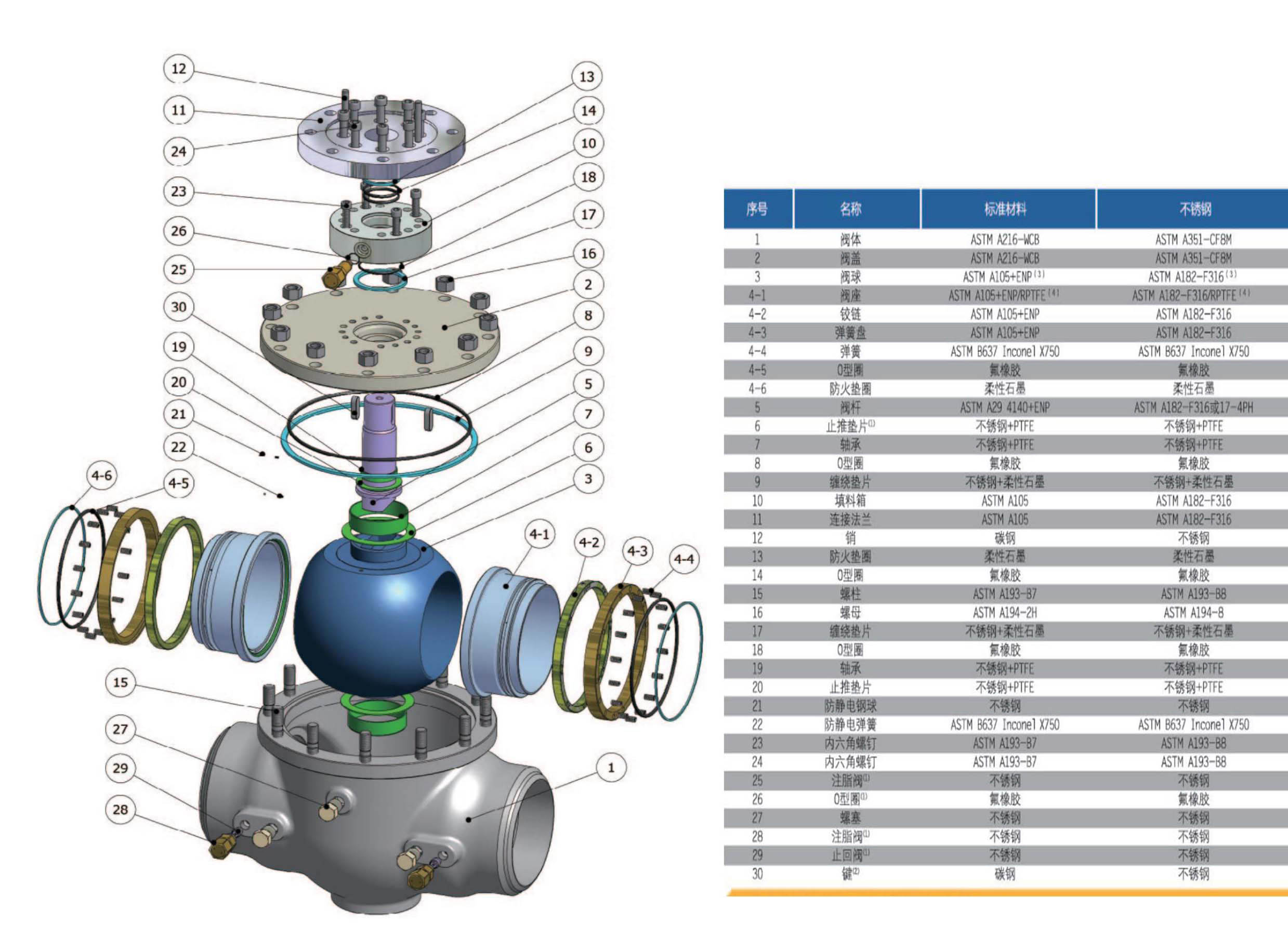
3. Specific Design Configurations and Their Specific Names
| Ball Valve Configuration | Alternative Name / Another Term | Explanation |
|---|---|---|
| Trunnion Ball Valve | Trunnion Mounted Valve | This is the only accurate technical term. In the industry, saying “trunnion valve” implicitly refers to a trunnion-mounted ball valve. |
| V-Port Ball Valve | V-Notch Valve or Control Ball Valve | Emphasizes throttling capability rather than simple on-off service. In P&IDs (Piping and Instrumentation Diagrams) for pulp and paper or chemical plants, it is often labeled as a Control Ball Valve. |
| Full Port Ball Valve | Full Bore Valve | When a flow path matching the pipe’s internal diameter and negligible pressure drop are required, procurement terminology will use Full Bore as a specific qualifier. |
| 3-Piece Ball Valve | Swing-Out Valve | This is a highly descriptive maintenance slang term. Because the center section of a 3-piece ball valve can be removed by unbolting the body and swinging it out for inline seal replacement. |
4. Actuation-Based Terminology
-
Actuated Ball Valve: When a valve is not manually operated by a lever, it is often no longer referred to simply as a “ball valve” in control narratives. It becomes part of a MOV (Motor Operated Valve) or POV (Pneumatic Operated Valve) package.
5. Industry-Specific Slang and Colloquialisms
-
Plumbing / Residential Sector:
-
Stop Cock: Specifically refers to a small, right-angle ball valve with a lever handle typically found under a toilet or sink.
-
Isolator: In boiler maintenance manuals in the UK and Australia, technicians frequently refer to a small ball valve on the pipe as an “isolator.”
-
Lever Valve: Non-technical users often name the valve by its appearance—a long lever handle—to distinguish it from round-handled gate valves.
-
-
Hydraulic / Pneumatic Sector:
-
Ball Type Shut-Off: A common commercial designation for high-pressure hydraulic ball valves.
-
-
Industrial Automation Sector:
-
On-Off Final Element: While not exclusive to ball valves, in DCS (Distributed Control System) logic diagrams, an automated ball valve used for isolation is categorized as an On-Off Final Element.
-
Commonly Confused “Pseudo-Aliases” (Important Distinctions)
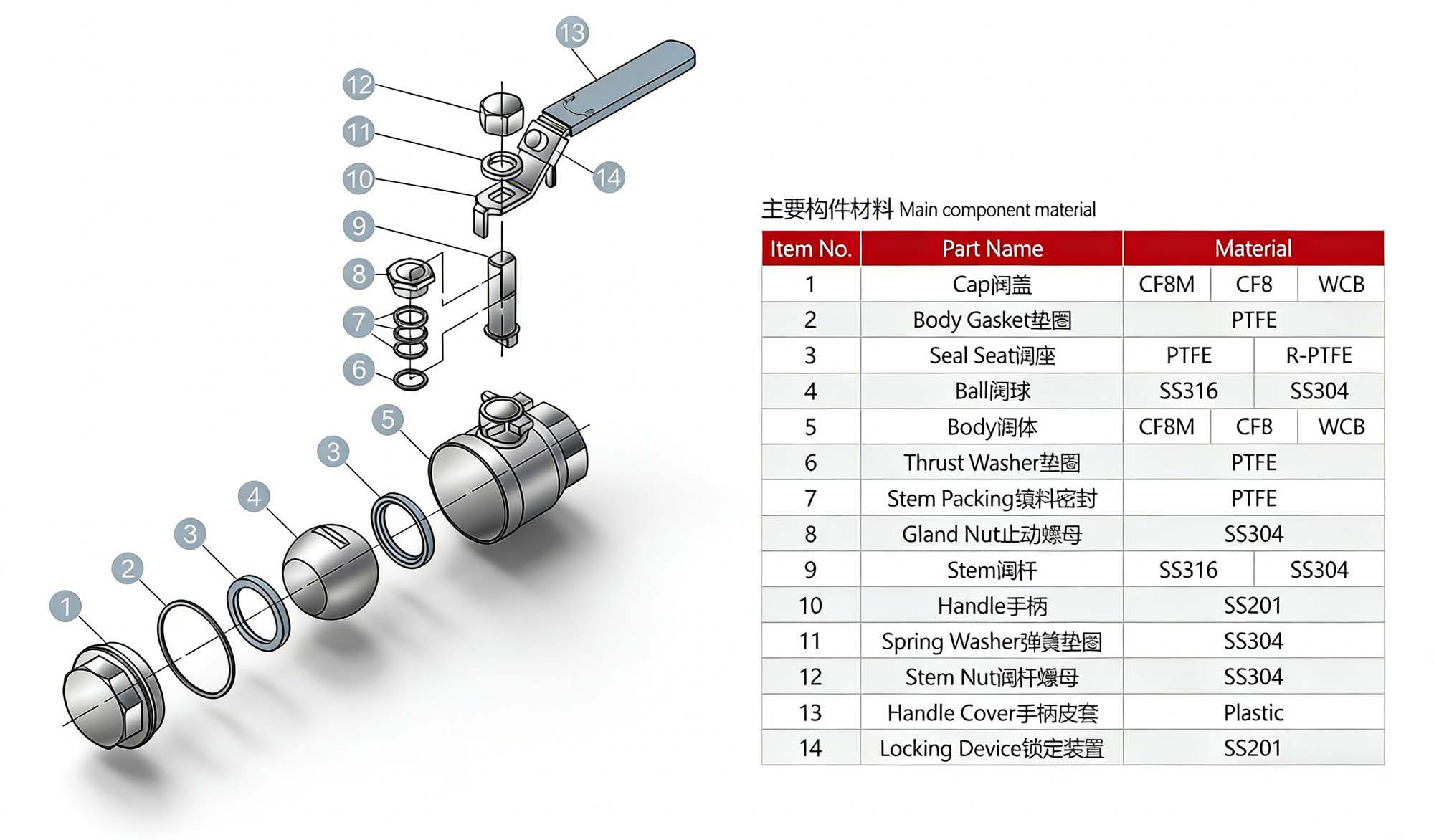
Not everything with “ball” in its name is the same type of valve. The following terms are often mistakenly thought to be synonyms for a ball valve, but they refer to different equipment:
| Confusing Term | Actual Equipment | Key Distinction from a Ball Valve |
|---|---|---|
| Check Valve | Non-Return Valve | Operates automatically using fluid pressure to prevent backflow; a ball valve requires manual or actuated operation. |
| Plug Valve | Plug Cock | Appearance and operation (90-degree turn) are very similar, but the closure member is a tapered cylinder rather than a sphere. Plug valves typically have higher torque and handle slurries well but offer less precise sealing adjustment. |
| Needle Valve | Needle Valve | Designed for precise micro-flow throttling with a needle-shaped plunger, entirely different from the isolation function of a ball valve. |
| Float Valve | Float-Operated Valve | Often colloquially called a “Ball Cock” in older plumbing, but its control mechanism relies on a float level sensor, not manual rotation of a handle. |
Why So Many Names?
This diversity in nomenclature stems from the functional orientation of engineering communication.
-
When discussing piping layout space, engineers call it a Quarter-Turn Valve (emphasizing compact installation).
-
When procurement focuses on cost and weight, they compare Lever Operated Valves to handwheel-operated valves.
-
When maintenance crews write work permits, they label it a Ball Valve Isolator (emphasizing safety isolation).
Summary:
If you hear “Quarter-Turn Shutoff” or “Lever Ball Cock,” they are referring to a ball valve. For professional documentation, Ball Valve remains the preferred term. Use Quarter-Turn Ball Valve to emphasize operational convenience, and Bubble-Tight Shut-off Ball Valve to highlight sealing integrity.

 English
  German
  Chinese
  Russian
  French
  Korean
  Spanish