Electric control valve

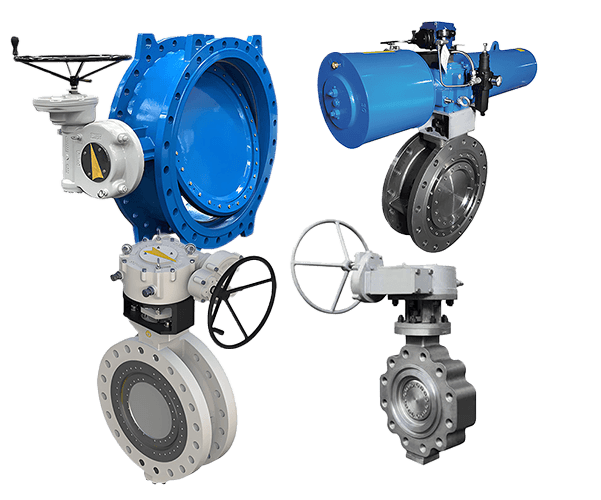
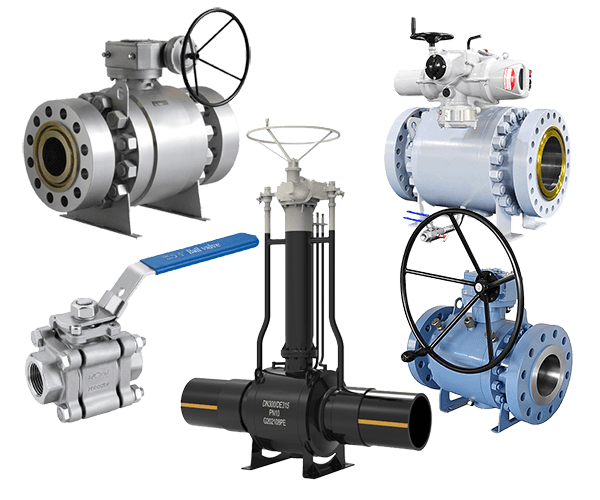
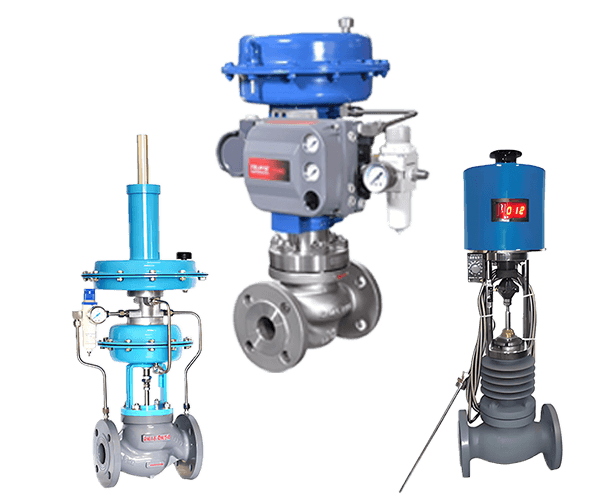
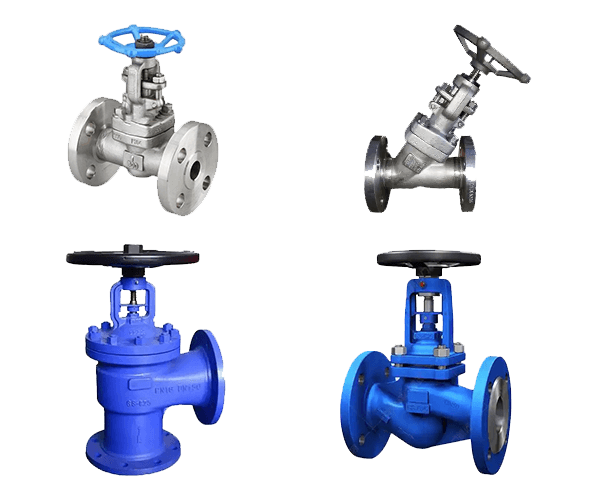
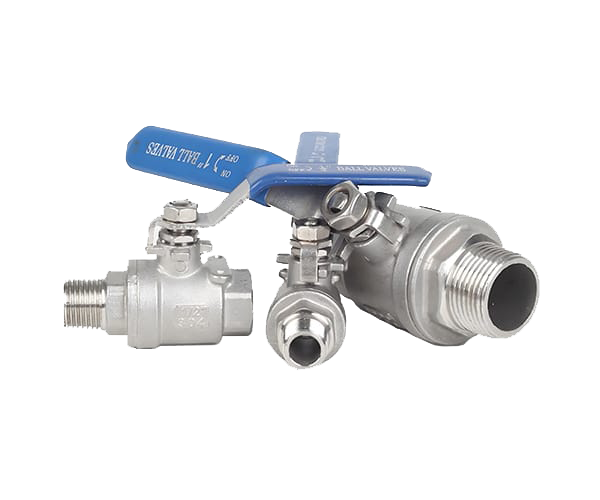
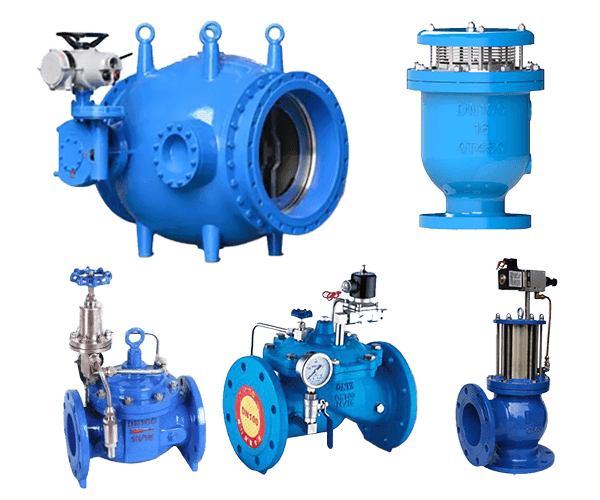
Deze elektrische regelklep wordt aangedreven door een elektrische actuator om automatische regeling en aan-uitschakeling van pijpleidingmediumstroom, druk en temperatuur te realiseren. Vervaardigd uit gietstaal, roestvast staal en andere corrosiebestendige materialen, kan hij worden uitgerust met globe-, kogel- of vlinderklepconstructies, geschikt voor nauwkeurige regeling van water, stoom, olie, gas en diverse corrosieve vloeistoffen in petrochemische, elektriciteits-, HVAC-, waterbehandelings- en andere automatische regelsystemen. Met stabiele werking, hoge regelnauwkeurigheid en ondersteuning voor afstandsbediening, kenmerkt hij zich door betrouwbare afdichting, lange levensduur en gemakkelijk onderhoud, en biedt efficiënte en intelligente vloeistofregeling voor moderne industriële pijpleidingsystemen.
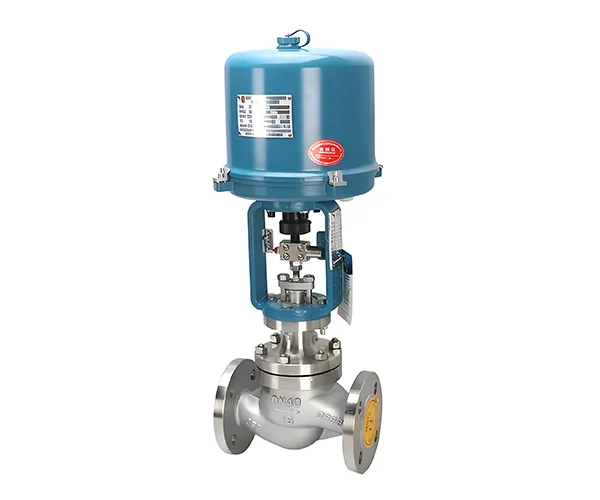
Electric sleeve control valve
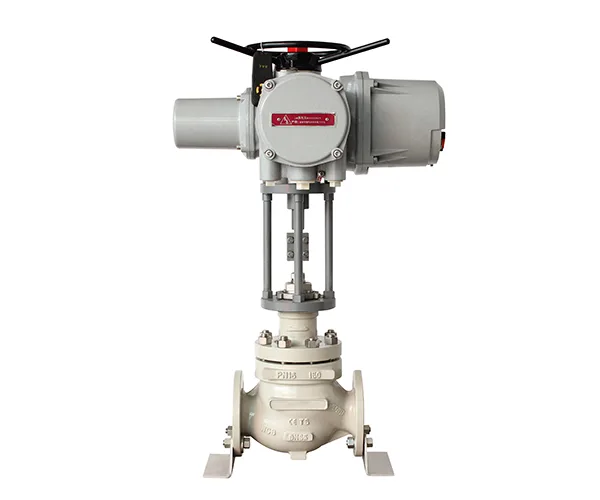
The Electric Sleeve Regulating Valve is a robust, high-precision solution for critical flow control in extreme industrial environments. Its sleeve-guided trim, smart electric actuation, and heavy-duty materials ensure reliable performance in oil & gas, power generation, and chemical systems. By combining advanced engineering with adaptive control, this valve delivers unmatched stability and efficiency under the most demanding conditions.
Electronic Single-seat Control Valve
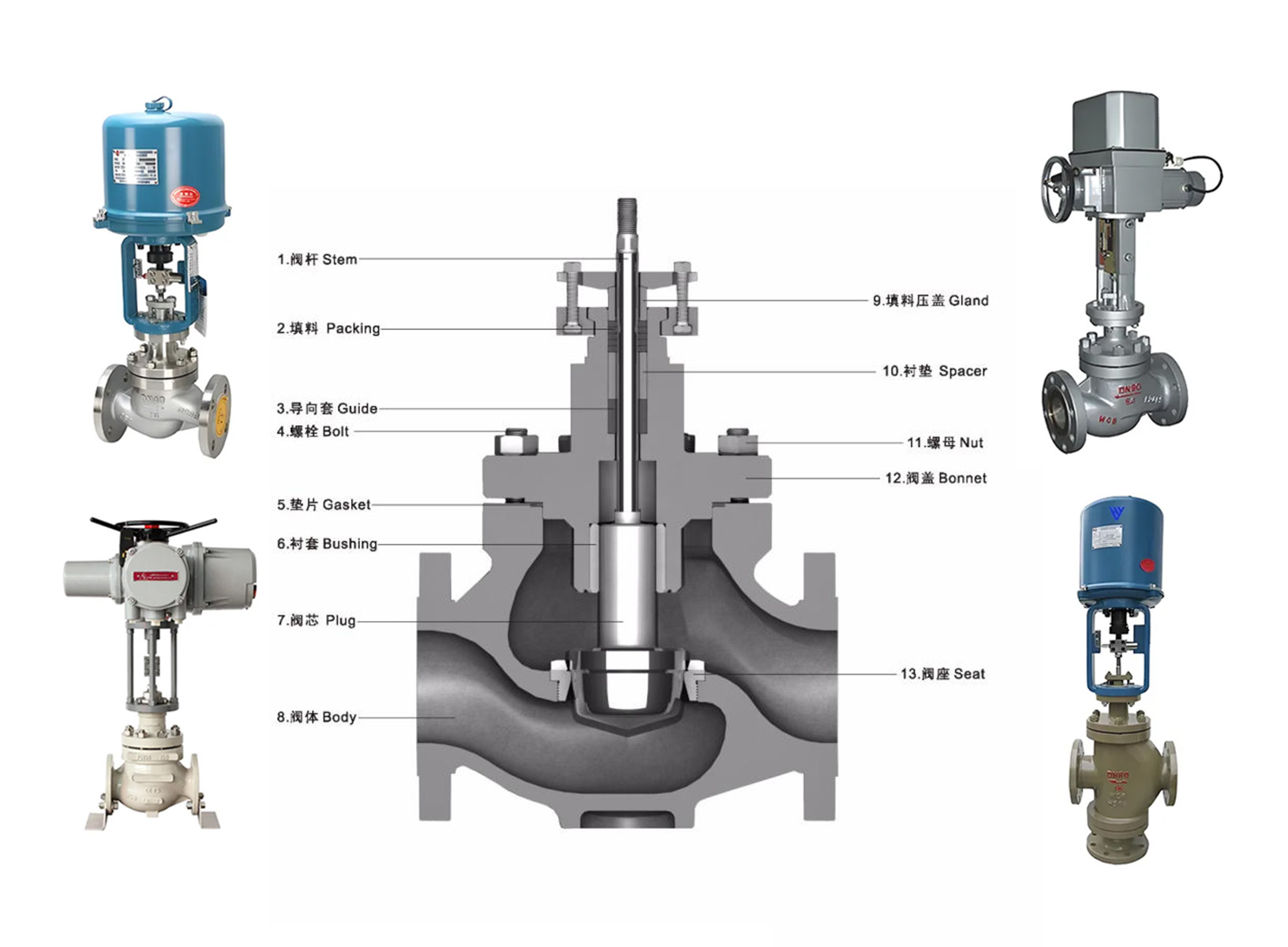
The Electronic Single-seat Control Valve is a precision flow control device designed for applications requiring accurate regulation of pressure, temperature, or flow rate in liquid, gas, and steam systems. Featuring a single-seat globe valve design and electronic actuator, it combines high shut-off capability with advanced digital control, making it ideal for chemical processing, HVAC, and industrial automation.
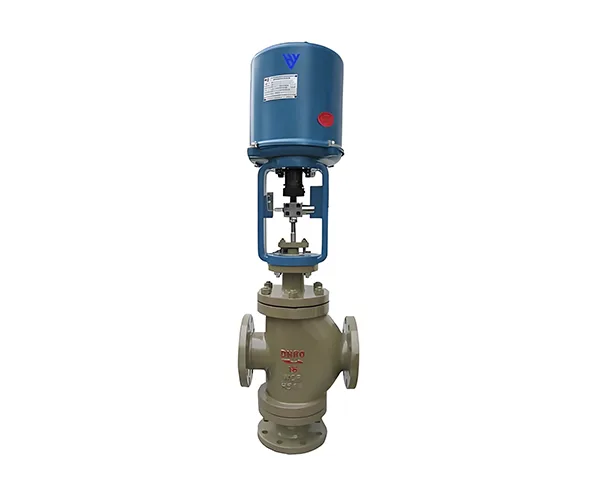
Electronic three-way control valve
The Electric Three‑Way Control Valve is an electric control valve with three ports (one inlet/two outlets or two inlets/one outlet), designed for mixing (combining two inlet flows into one outlet) or diverting (splitting one inlet flow into two outlets) applications. It is driven by a linear‑stroke electric actuator and receives a standard analog control signal (4–20 mA or 0–10 V DC). The motor moves the plug linearly to proportionally distribute flow among the ports.