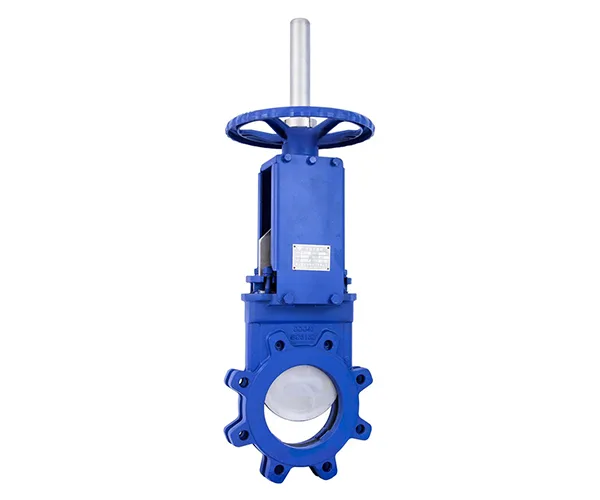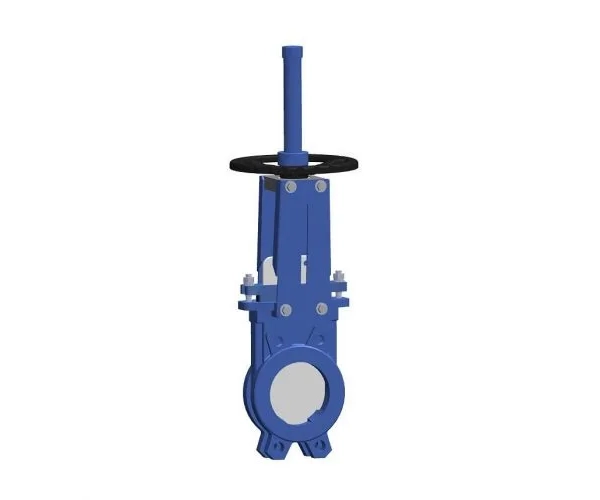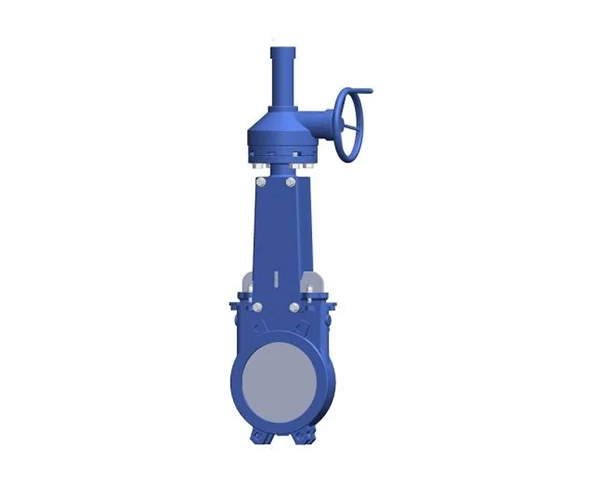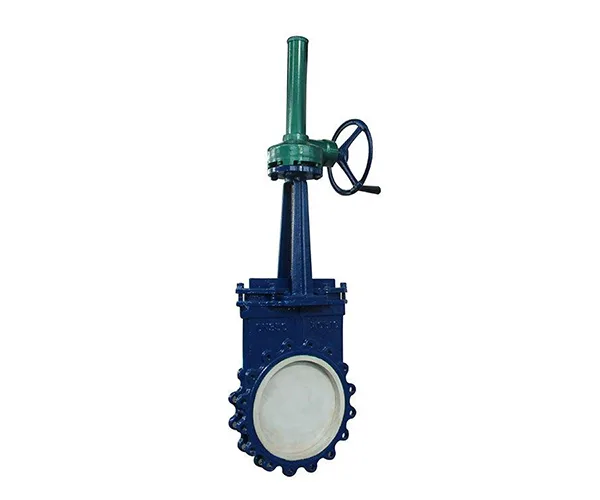
Ceramic knife gate valve
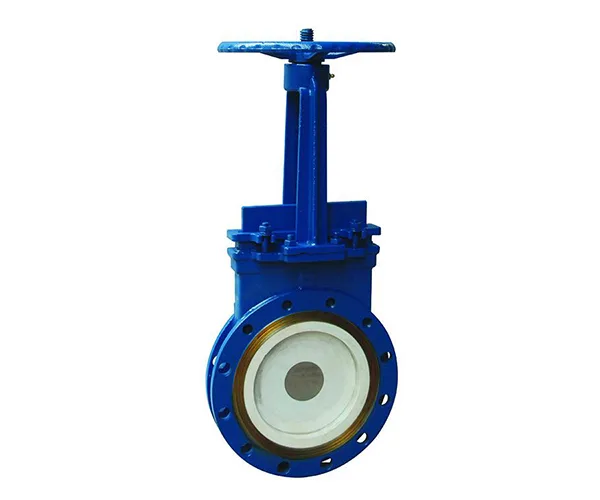
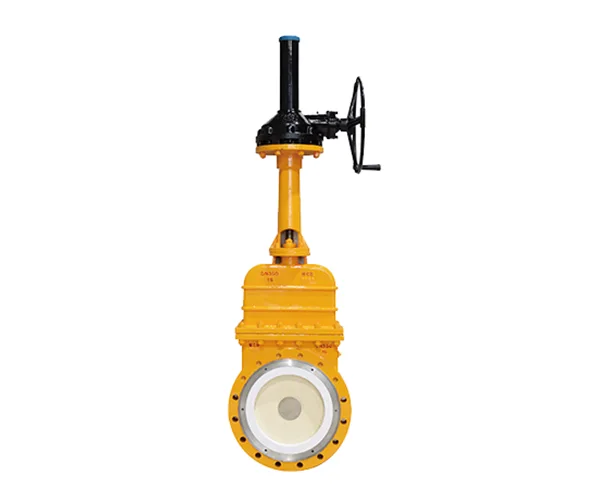
The Ceramic Knife Gate Valve is designed for applications involving highly abrasive, corrosive, or slurry-type media. The valve features a ceramic-lined seal, providing superior wear and corrosion resistance, making it ideal for industries such as mining, cement, chemical processing, and wastewater treatment. The ceramic seal lining offers excellent protection against abrasive particles and aggressive chemicals. This valve ensures reliable performance and long service life, even in demanding operating conditions. It is suitable for medium to large pipe sizes (typically DN50 to DN800) and handles the toughest flow control tasks in various industries.
Category:Knife gate valve
Call Us Anytime
15669818867
Product Overview
The Ceramic Knife Gate Valve is a knife gate valve that uses engineering ceramics (zirconia, alumina, silicon carbide, etc.) as the sealing pair material. It is designed only for ON‑OFF (open/close) service – not for flow regulation. Compared with conventional metal‑seated or rubber‑seated knife gate valves, the ceramic knife gate valve offers extremely high wear resistance, corrosion resistance, and high‑temperature resistance.
It is suitable for severe services such as slurry, coal slurry, ash slag, and corrosive slurries. The sharp knife‑edge gate cuts through fibers, particles, and other materials during closure, preventing clogging. The body flow path has no recesses and is lined with smooth ceramic for self‑cleaning action. The valve has flanged connections, with nominal diameters from DN50 to DN600, pressure ratings PN10/PN16 (Class 150), and a carbon steel or stainless steel body with a ceramic lining. It is widely used in automatic shut‑off systems in mining, metallurgy, power generation, chemical, and desulfurization industries.
Product Structure
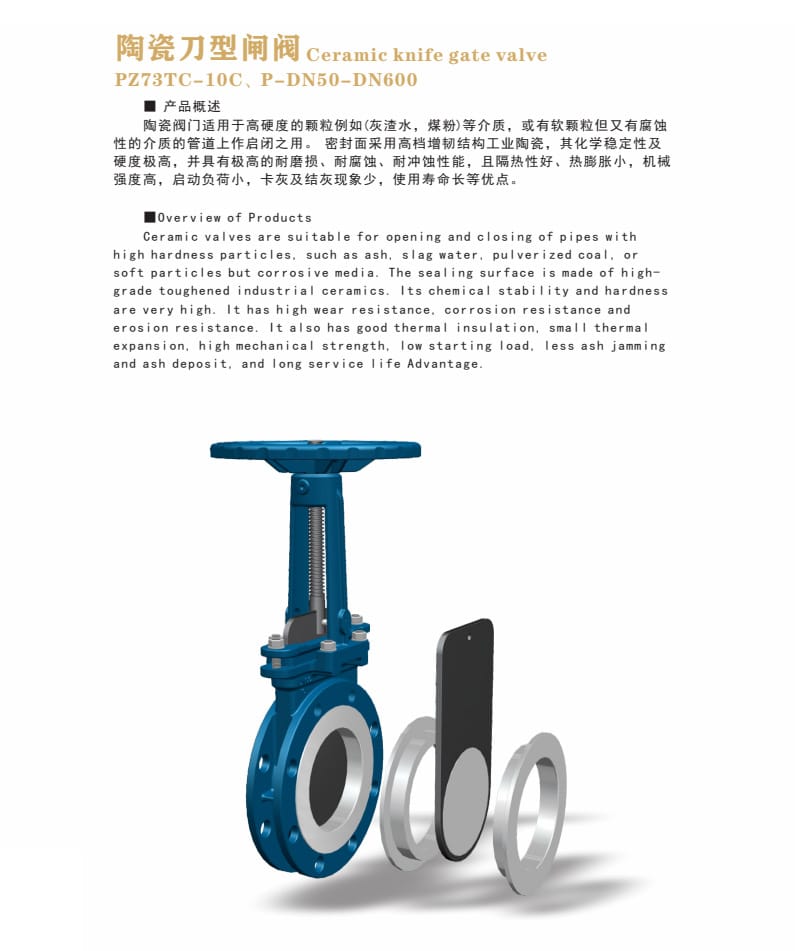
The Ceramic Knife Gate Valve mainly consists of the actuator (ON‑OFF type) and the ceramic‑lined valve body assembly.
Actuator (ON‑OFF Type):
-
Available in manual (handwheel), electric, pneumatic, or hydraulic.
-
Electric actuator: motor, gearbox, travel limit switches, torque protection, handwheel.
-
Pneumatic actuator: cylinder, solenoid valve, limit switches.
-
All actuators are ON‑OFF type – not for modulation.
Ceramic Valve Body Assembly:
-
Body: Carbon steel (WCB) or stainless steel (CF8/CF8M) housing, with the internal flow path and critical areas lined with engineering ceramics (zirconia ZrO₂, alumina Al₂O₃, silicon carbide SiC, etc.). Flanged ends conforming to GB/T 9113, ANSI B16.5, EN 1092‑1, etc. Full‑bore flow path with no recesses.
-
Gate: Stainless steel (304, 316, 310S) knife‑edge gate, optionally hardfaced with Stellite or chrome‑plated, mating with the ceramic seat. During closure, the gate cuts into the ceramic seat to achieve sealing.
-
Seat: One‑piece ceramic seat (zirconia or alumina), high hardness (HRA ≥ 85), wear‑resistant, corrosion‑resistant, and high‑temperature‑resistant. The seat and gate form a hard sealing pair.
-
Stem: Stainless steel trapezoidal‑thread stem, moving the gate up and down.
-
Packing Box: Contains PTFE or flexible graphite packing; bellows seal optional.
-
Yoke: Connects the body to the actuator.
The ceramic components are embedded or integrally sintered and tightly bonded to the metal housing with no risk of detachment.
Function
-
High‑Wear Shut‑Off: The ceramic sealing pair (seat + gate mating surfaces) has extremely high hardness (Mohs hardness 9), making it suitable for frequent open/close cycles in highly abrasive media such as slurry, coal powder, and ash slag.
-
Strong Corrosion Resistance: Ceramic materials resist acids, alkalis, salts, and chloride attack, making the valve suitable for corrosive slurries in chemical, hydrometallurgy, and seawater desulfurization applications.
-
High Temperature Capability: The ceramic seat operates stably from –40°C to +400°C (special ceramics up to +800°C).
-
Knife‑Edge Cutting: The sharp edge of the gate cuts through fibers, particles, and crystals during closure, preventing clogging.
-
Self‑Cleaning Flow Path: The smooth ceramic lining has an extremely low friction coefficient. Media does not adhere easily, and the gate scraping against the ceramic seat provides self‑cleaning during valve operation.
-
Full‑Bore Low Flow Resistance: When fully open, the gate is completely out of the flow path, providing minimal pressure loss.
-
Zero Leakage Sealing: The precision‑lapped ceramic seat and gate achieve bidirectional zero leakage (ANSI Class VI).
-
ON‑OFF Control: Designed for fully open or fully closed operation only – not for regulation.
Working Conditions
-
Applicable Media: Slurry, coal slurry, ash slag, tailings, mud, corrosive slurries (acids, alkalis, salts), chemical slurries, desulfurization slurry, high‑temperature dust, etc.
-
Temperature Range: –40°C to +400°C (zirconia/alumina); special ceramics up to +800°C.
-
Pressure Rating: PN10, PN16 (Class 150); higher ratings available on request.
-
Nominal Diameter: DN50 – DN600 (2″ – 24″); larger sizes available on request.
-
Installation Orientation: No strict limitation (bidirectional sealing), with vertical stem‑up recommended.
-
Typical Applications:
-
Mine tailings and concentrate slurry transport pipelines
-
Ash and slag removal systems in coal‑fired power plants
-
Wet flue gas desulfurization (FGD) slurry recirculation lines
-
Chemical corrosive slurry reactor discharge
-
Leaching and extraction slurry shut‑off in metallurgy
-
Raw material slurry transport in ceramic and glass industries
-
Fly ash transport in waste‑to‑energy plants
-
Summary
The Ceramic Knife Gate Valve, with its extremely high wear resistance from ceramic sealing pair, strong corrosion resistance, high temperature capability, and knife‑edge cutting function, is the ideal shut‑off valve for handling highly abrasive and corrosive media in mining, power generation, chemical, and metallurgical industries. Compared with conventional metal knife gate valves, the ceramic seat can extend service life by 5 to 10 times.
Compared with rubber‑lined knife gate valves, the ceramic seat withstands high temperatures, solvents, and does not age. This valve is designed for fully open or fully closed operation only – not for flow regulation. With flanged connections, a full‑bore flow path, and optional manual or automated actuators, the Ceramic Knife Gate Valve is an indispensable durable solution for automated ON‑OFF pipeline systems handling media containing hard particles, corrosive components, or high temperatures.