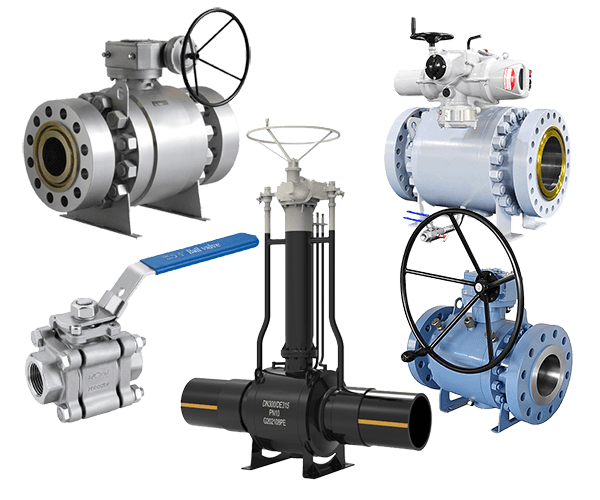
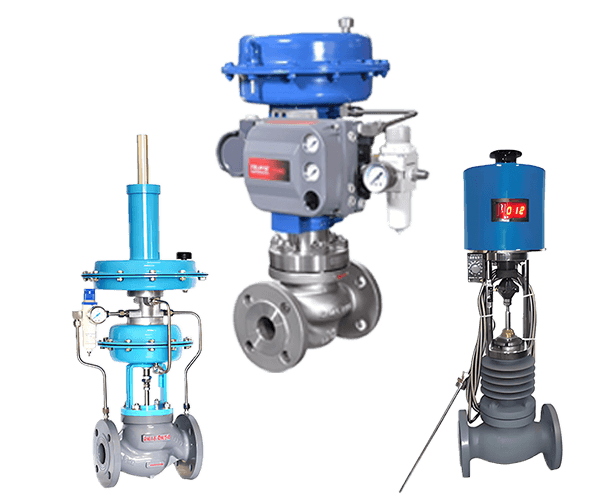
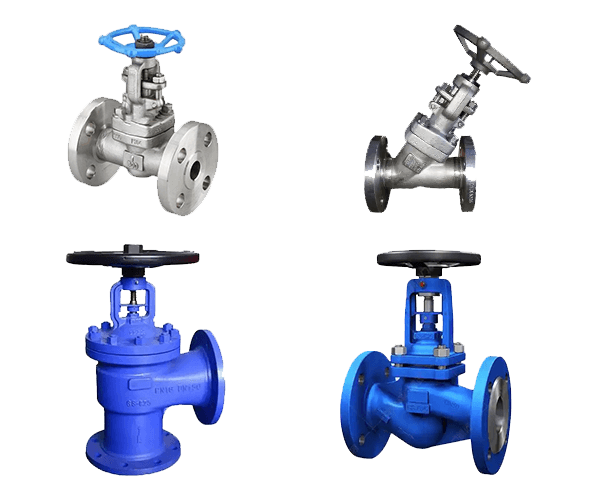
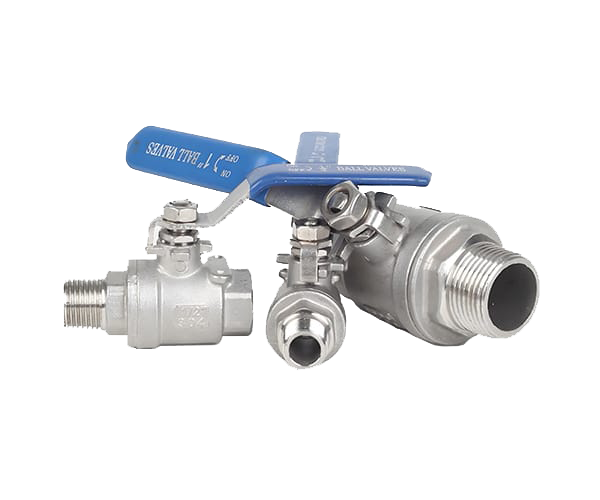
Válvula de bola de tres vías

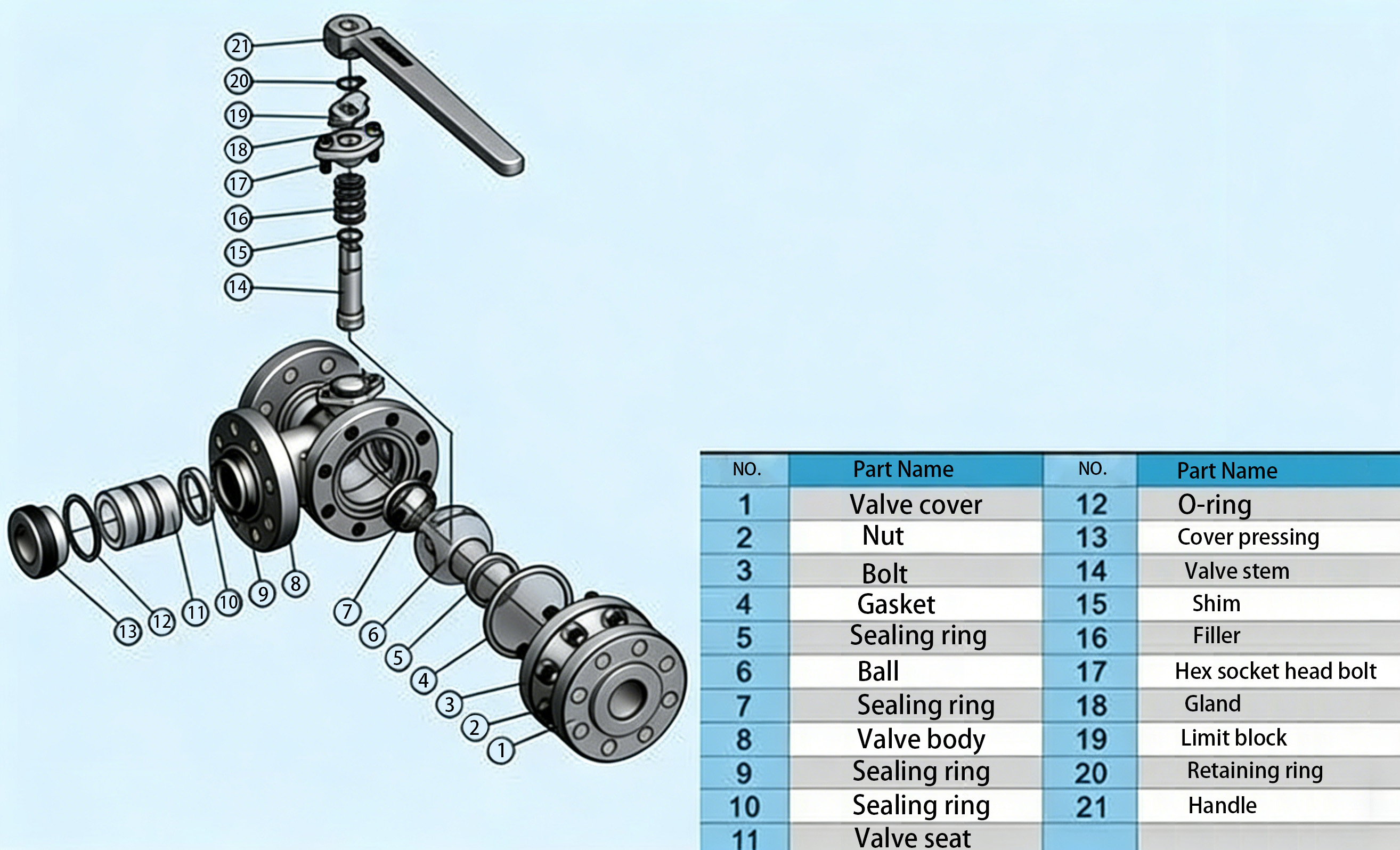
This three-way ball valve adopts a precision L-port or T-port flow channel structure, with a compact design and stable sealing performance. Made of stainless steel, cast steel and other high-quality materials, it is mainly used for flow diversion, confluence and direction switching of media including water, oil, gas, steam and mildly corrosive fluids. Featuring low flow resistance, flexible opening and closing and reliable sealing, it can realize multi-channel fluid control in a single valve, simplifying pipeline layout effectively. Suitable for medium and low-pressure working conditions in petroleum, chemical, HVAC, water treatment and fluid circulation systems, it supports manual, pneumatic and electric actuation. Strictly tested for pressure and tightness, it operates stably with easy installation and maintenance, providing efficient and reliable flow control for multi-directional pipeline systems.
Low temperature 3 way ball valve
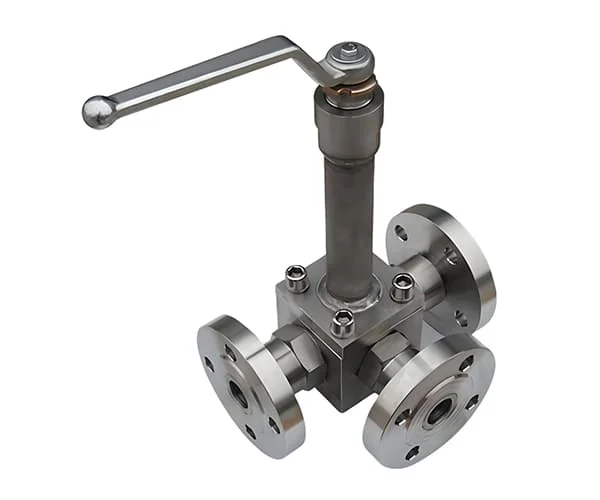
The Low Temperature 3-Way Ball Valve is a high-performance valve designed to operate efficiently in extremely low-temperature environments, typically ranging from -196°C to -40°C. These valves are crucial for applications in industries such as liquefied natural gas (LNG), cryogenics, refrigeration, and oil & gas that require precise control of flow direction or mixing in very cold temperatures. The valve features a 3-way ball design that offers versatile flow diversion or mixing capabilities between three different ports, ensuring smooth and reliable operation in challenging low-temperature conditions.
Válvula de bola de tres vías de 120 grados
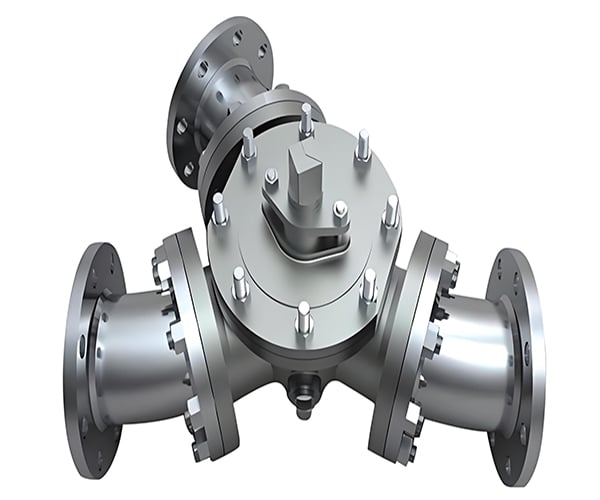
La válvula de bola de tres vías de 120 grados es un dispositivo de control de fluidos altamente eficiente y confiable, diseñado específicamente para aplicaciones que requieren una distribución precisa del flujo y control direccional entre tres tuberías. Esta válvula puede lograr el paso directo o la desviación de 90 grados del medio, así como cerrar cualquier rama mientras mantiene abiertas las demás, garantizando un funcionamiento flexible y eficiente del sistema.