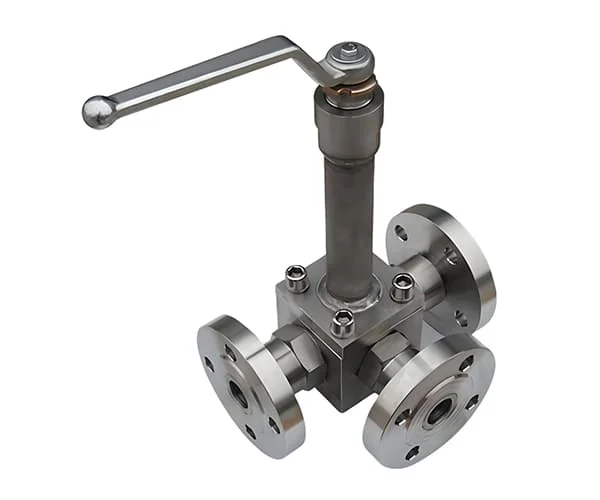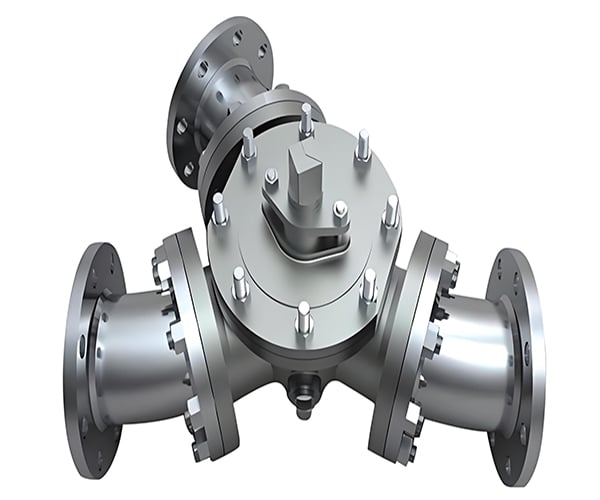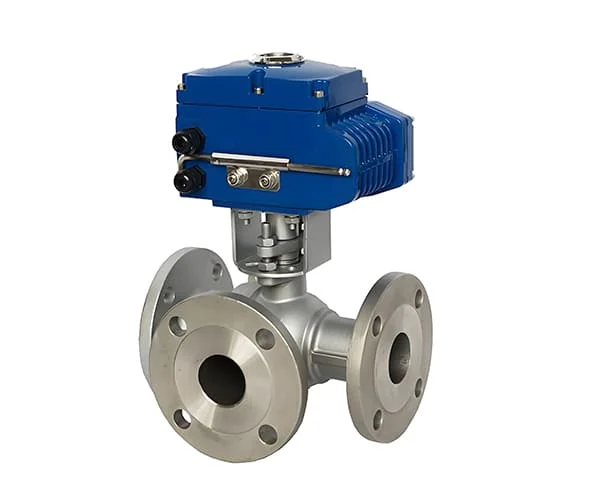
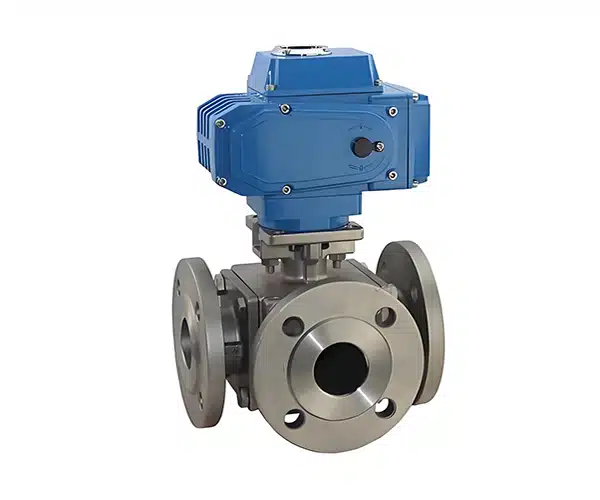
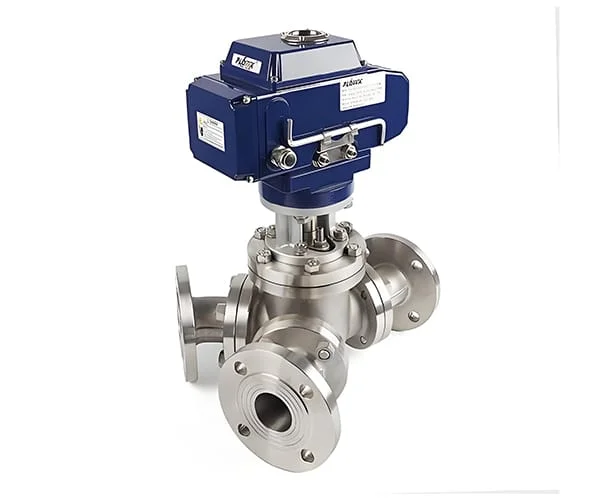
3 way electric ball valve
Type:Q944F/Y/H;Q945F/Y/H, Subtitle:Electric three-way reversing valve, The Three-Way Electric Ball Valve is a sophisticated fluid control device designed to provide precise flow distribution and directional control among three interconnected pipelines. Equipped with an electric actuator, this valve offers remote or automated operation capabilities, making it ideal for applications where manual intervention is impractical or undesirable...
Category:Ball valve, Electric Ball Valve, Three-way ball valve
Call Us Anytime
15669818867
Product Overview
The Three-Way Electric Ball Valve is a sophisticated fluid control device designed to provide precise flow distribution and directional control among three interconnected pipelines. Equipped with an electric actuator, this valve offers remote or automated operation capabilities, making it ideal for applications where manual intervention is impractical or undesirable. The robust construction and advanced features ensure reliable performance in diverse industrial settings.
Key Features and Advantages
Electric Actuation: Integrated electric actuators provide precise control over the valve’s position, enabling automation and integration into control systems.
Durable Construction: Manufactured from high-quality materials such as brass, stainless steel, or ductile iron, ensuring longevity and resistance to corrosion.
Compact Design: Space-saving configuration simplifies installation within confined spaces without compromising functionality.
Superior Flow Characteristics: Full-bore design allows for smooth, unrestricted media passage, reducing pressure loss and improving system efficiency.
High Sealing Performance: Precision-engineered seats and seals deliver reliable shut-off capabilities, preventing leaks even under high-pressure conditions.
Quick Switching Capability: Operated by a quarter-turn mechanism, allowing for rapid opening and closing to enhance operational safety and responsiveness.
Versatile Control Options: Compatible with various control signals (e.g., 4-20mA, switch contacts) for seamless integration into automated systems.
Easy Maintenance: Modular construction facilitates straightforward disassembly and service, minimizing downtime.
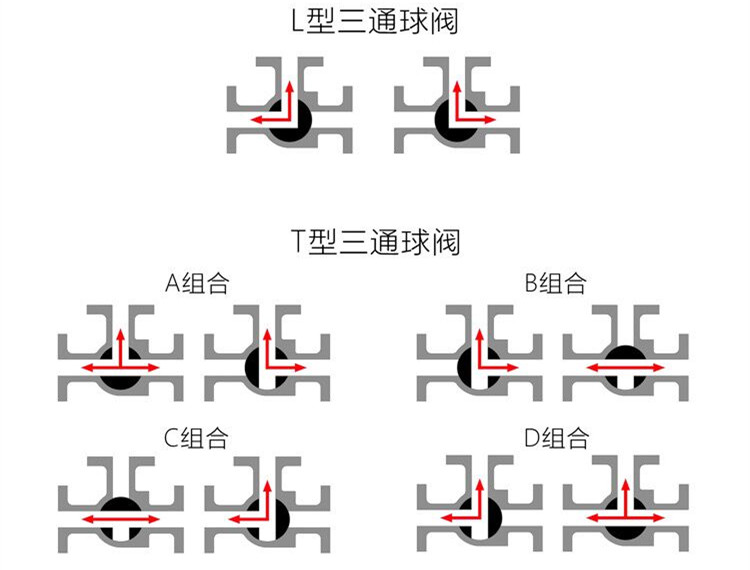
Suitable Media
The Three-Way Electric Ball Valve is compatible with a wide range of media, including:
Liquids: Water, oils, chemical solvents, acids, alkalis, and slurries
Gases: Air, natural gas, nitrogen, oxygen, and inert gases
Steam: Saturated steam (up to specified temperature limits)
Mixed Fluids: Solutions containing solid particles, emulsions, and suspensions
Operating Conditions
This valve excels in various industrial settings, particularly those characterized by:
Water Supply Systems: Controlling water flow in residential, commercial, and industrial settings.
Heating Systems: Managing hot water or steam in HVAC systems for efficient heating and cooling.
Irrigation Systems: Regulating water distribution in agricultural and landscaping applications.
Chemical Processing: Handling corrosive chemicals and solvents in continuous processes.
Food & Beverage Industry: Ensuring hygienic transfer of beverages, juices, and food products.
Pharmaceutical Manufacturing: Maintaining purity and sterility in the conveyance of pharmaceutical liquids and gases.
Oil & Gas Industry: Managing hydrocarbons and associated fluids in extraction, refining, and transportation.
Environmental Engineering: Controlling wastewater and exhaust gases in treatment facilities.
Summarize
In summary, the Three-Way Electric Ball Valve represents an advanced solution for multi-directional flow control, combining durability, precision, and adaptability. Its ability to operate reliably across a wide range of industries and applications makes it a valuable asset in any facility seeking to enhance its fluid management capabilities. For detailed inquiries or custom solutions, please do not hesitate to contact our technical support team for further assistance.